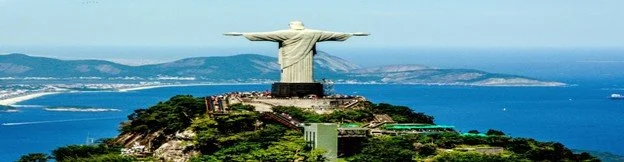
 Image 1 of 2
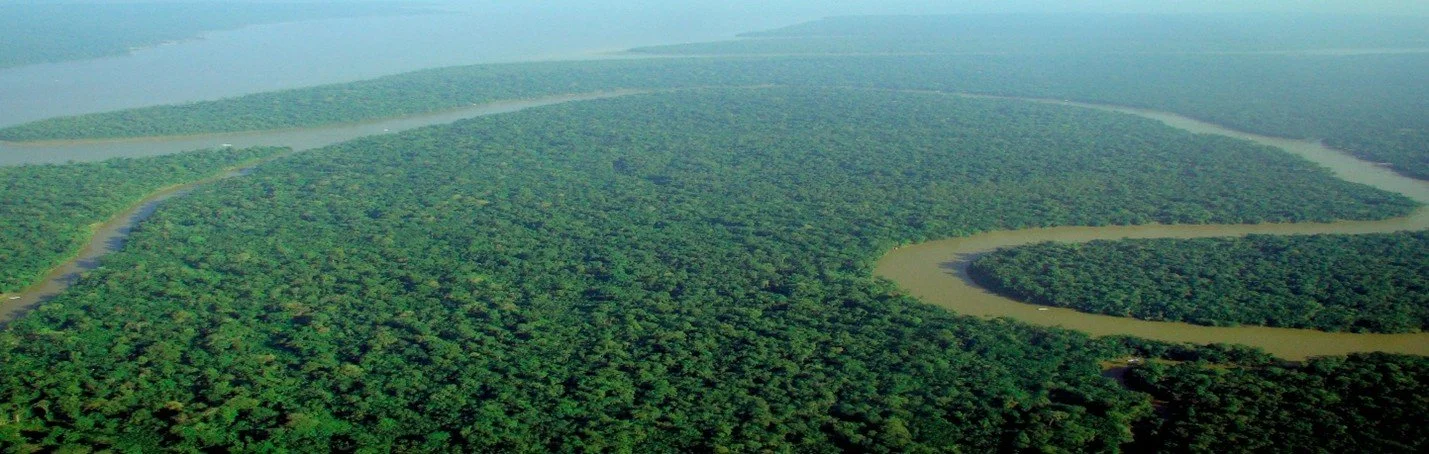
 Image 2 of 2
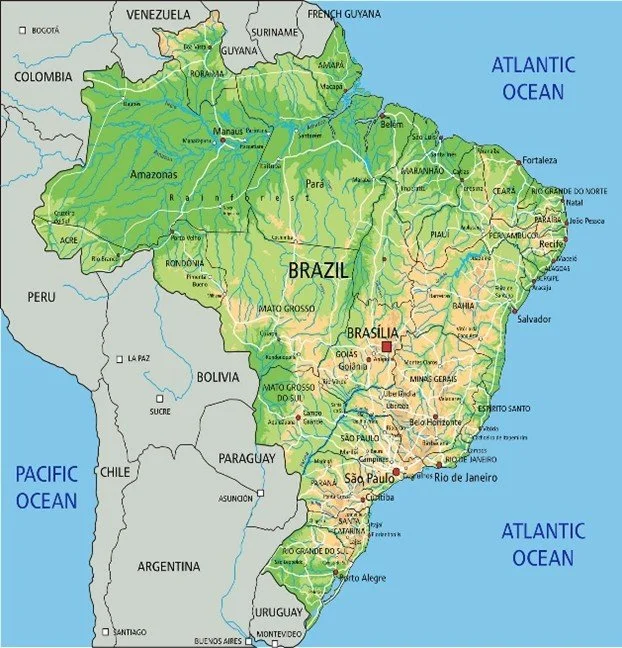
87% the land mass, 16% the GDP and 62% the population of the United States, Brazil, being the largest South American country, is bordered westerly by every South American state, except for Chile, and eastwardly has a 4655-mile coastline on the Atlantic Ocean. For 150 years it has dominated world coffee markets and currently cultivates nearly one third of all international production, nearly double its closest rival Vietnam. Like Vietnam, Brazil produces a majority 68% robusta coffee harvest, with the remaining arabica harvest being 70-80% commercial grade… the beans that find their way in canned coffees. All total, around 16% of Brazil’s total coffee is that which earns a specialty rating. The lesson… you can’t be lulled by the term “arabica”, and you must kiss a lot of frogs to find the gems.
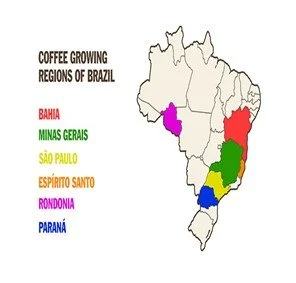
We have a precious stone cultivated by Marta and Evandro, a father/daughter team, on their century-old farm located in the mountains of the Mantiqueira de Minas growing region, around 200 miles northwest of Rio de Janeiro and 200 miles northeast of Sao Paulo… if you are really ambitious, 8500 miles from Baton Rouge and probably a few encounters to peg the risk meter. This coffee is a crowd pleaser… low acidy, creamy medium-heavy body with mild favors of semi-sweet chocolate and smooth nuttiness. We are pleasantly surprised and would 100% peg this as an everyday drinker… imbibe responsibly, this brew may bring about unexpected morning euphoria. When at Carnival in Rio enjoy a cup at a local street café while watching the festivities.
Process: Pulp Natural… cherry skin removed leaving a majority of the mucilage to imbue additional flavors while drying on raised beds.
Elevation: 3120 - 4265 feet